News
Meeting with Martin Crimp: exploring contemporary theatre and writing


A major figure in contemporary British theatre, Martin Crimp has established himself since the 1980s as one of the most distinctive voices on the European stage. A playwright, translator, and adaptor, he explores the forms of narrative and the power of language through a style that is both rigorous and inventive, and widely performed in France.
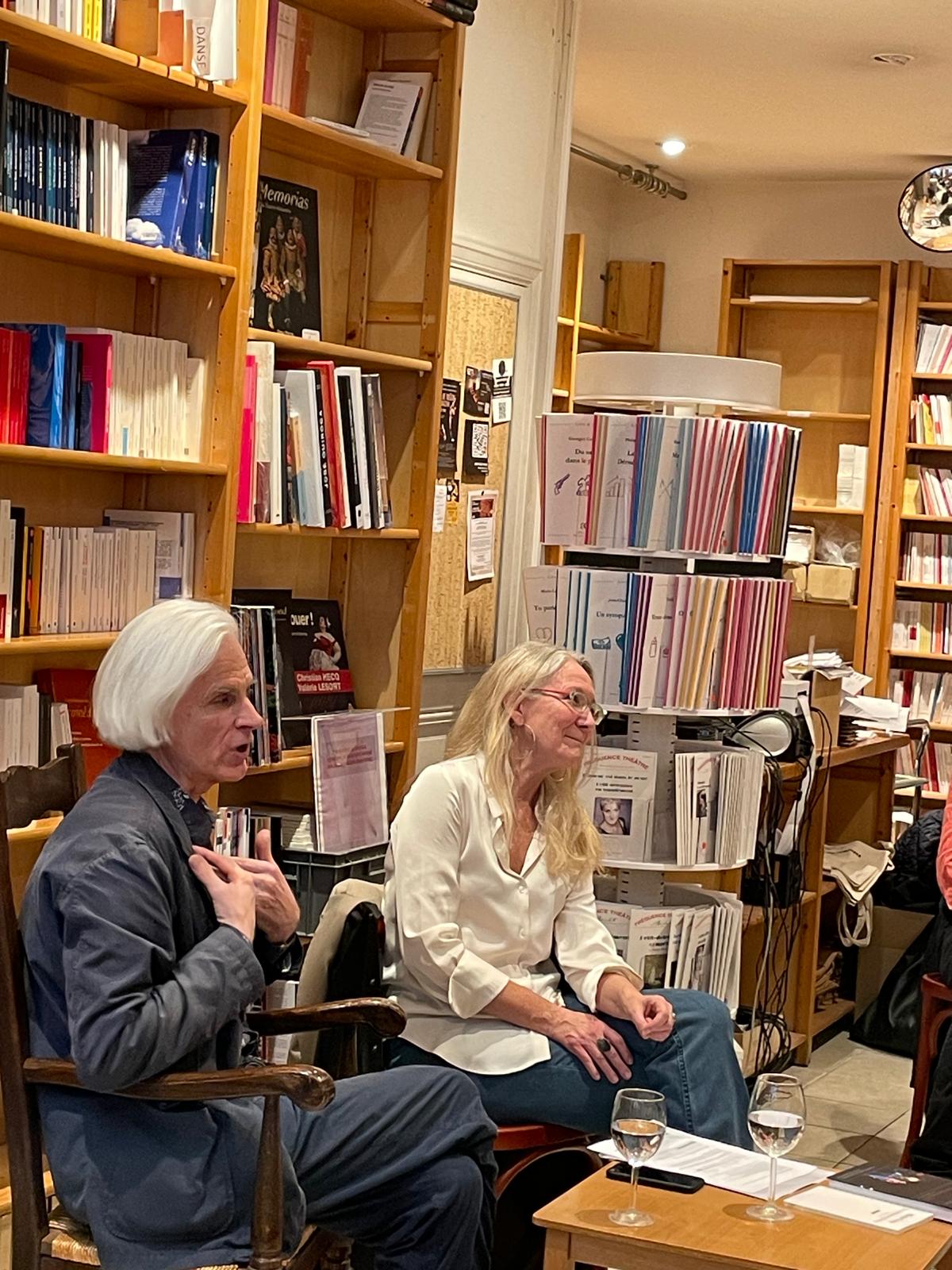
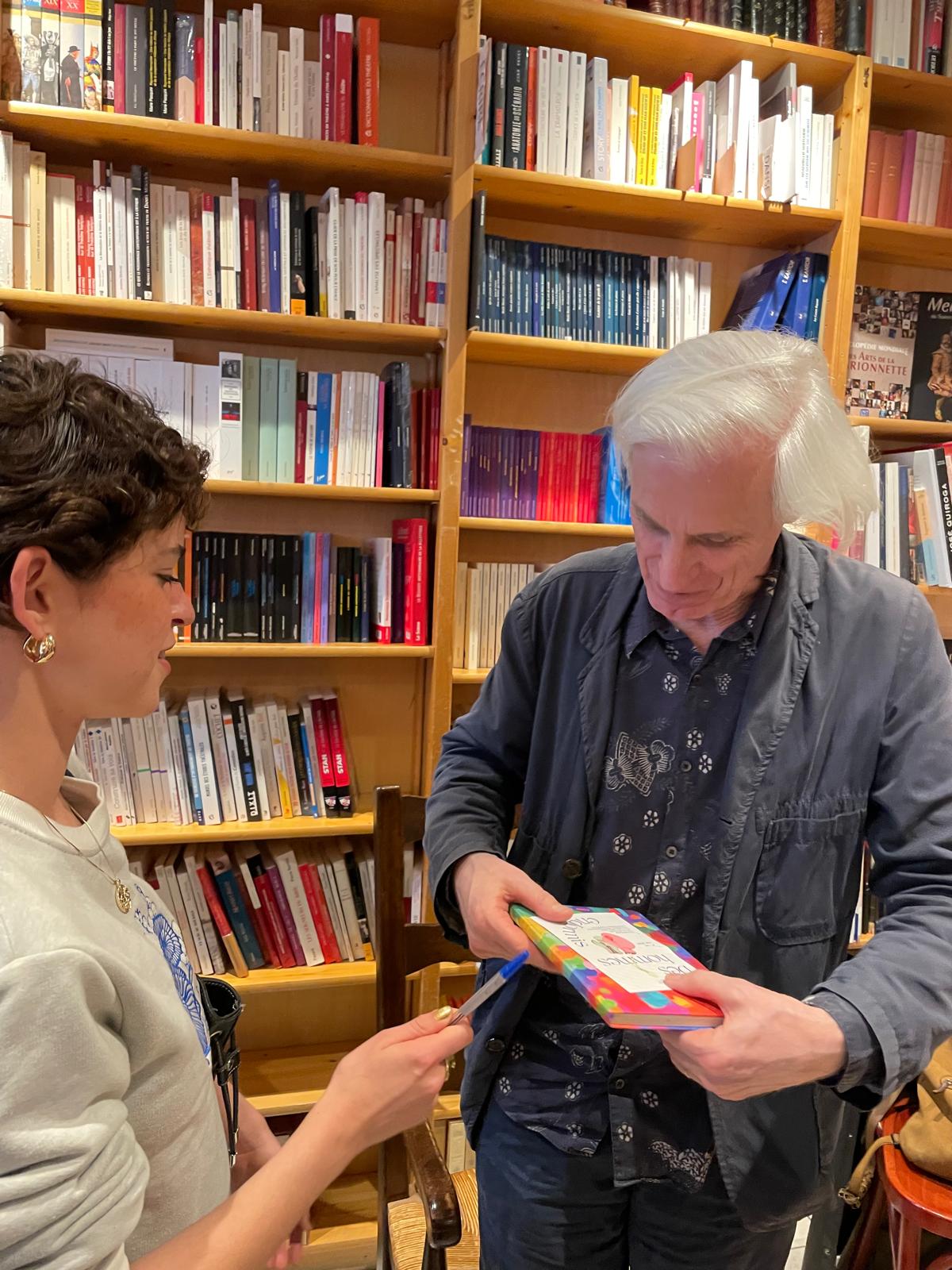
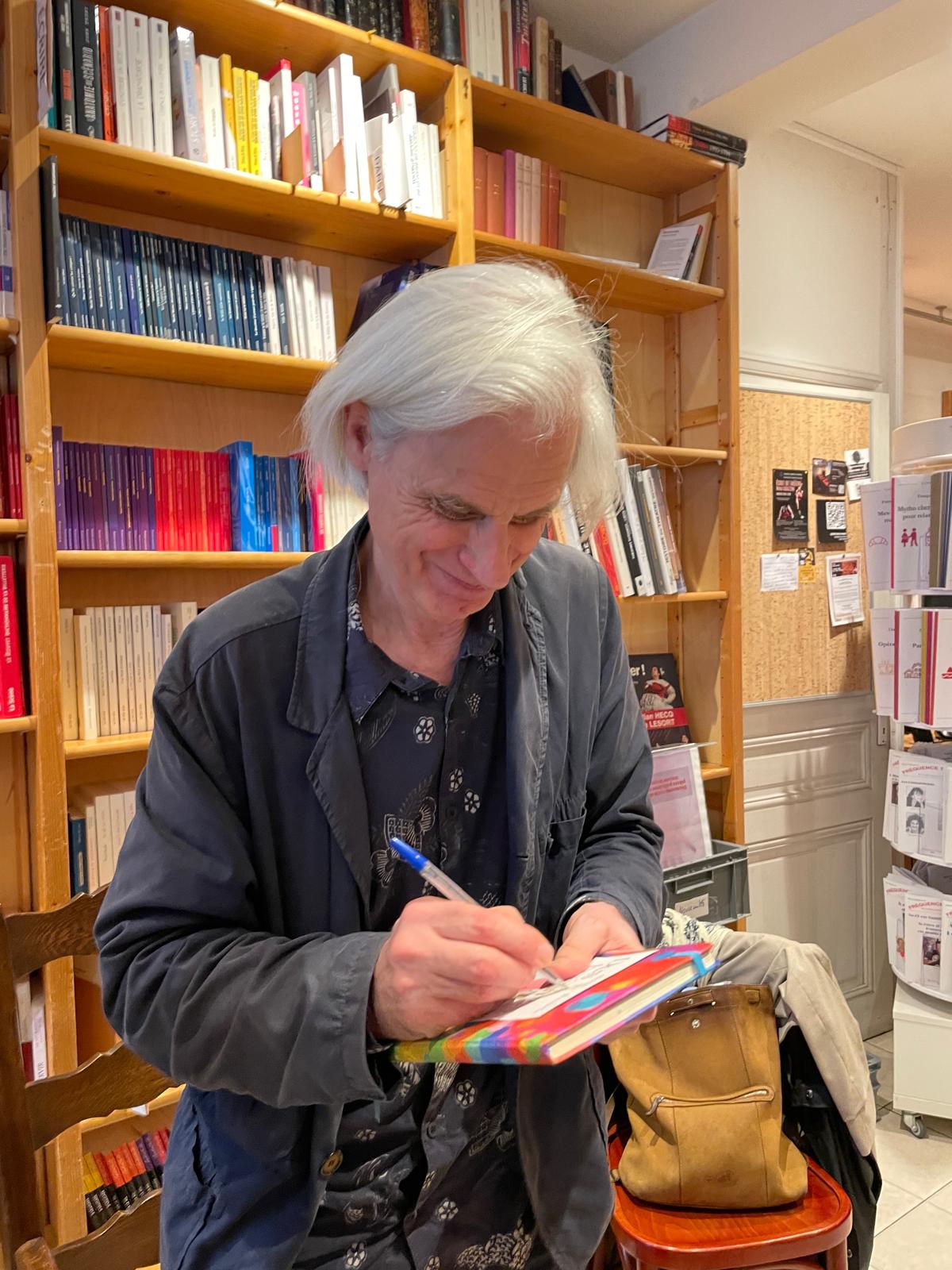
The Librairie Théâtrale in Paris recently hosted the playwright for a conversation led by Elisabeth Angel-Perez, in the presence of students from the Cours Florent. Organized to mark the publication of Martin Crimp: The Writer and the Work and the French premiere of Men Asleep, the evening unfolded as a lively, accessible, and often humorous exchange, in which Crimp’s understated wit was very much on display.
Over the course of the discussion, Crimp reflected on his writing practice, speaking about both his recent plays and his interest in rewriting. With characteristic lightness, he described himself as a “magpie,” openly embracing his borrowings and transformations from both classical and modern texts. This sense of freedom is central to his vision of theatre, which he approaches as a space of transformation rather than fidelity.
The animated conversation touched on several aspects of his work without ever becoming overly abstract or theoretical. Crimp spoke about his relationship with actors and staging, as well as the social dynamics that run through his plays—particularly the world of the intellectual bourgeoisie, which he observes with both distance and a certain irony.
Beyond thematic concerns, he stressed above all the importance of language and form. For Crimp, theatre is overall a site of experimentation: a place where speech is tested, reshaped, and condensed. He resists overly fixed interpretations, instead advocating for an open form of writing that allows both characters and audiences to generate meaning.
The exchange with the audience extended this reflection in a warm and engaged atmosphere, where seriousness and humor constantly intertwined. Crimp articulated a vision of theatre as a living art, shaped by work, doubt, and ongoing inquiry.
“As long as there’s a problem, you have to keep going,” he remarked, before concluding—poetically—that theatre is “a musical instrument,” with the audience forming its resonance.