News
Galette des Rois at Cours Florent.


La Galette des Rois is a French tradition that I became familiar with through Cours Florent, as the school makes sure to organize this event every year.
By Evi SHEVARNADZE
At first, it may seem like just a cake shared between students, but behind it there is a long history and a strong cultural meaning. I will explore where this tradition comes from and what it means for students today.
Origin of the “Galette des Rois” Tradition
The roots of the Galette des Rois tradition stretch back to ancient Roman celebrations of the Saturnalia, when society briefly turned its hierarchy upside down. During these festivities, a cake was shared with a dried bean hidden inside, and whoever discovered it was playfully elevated to the status of “ruler for a day.”
As Christianity spread across Europe, this custom was absorbed into the celebration of the Epiphany on 6 January, the day marking the arrival of the Magi. The joyful spirit of the ritual remained, and the bean continued to represent good fortune and renewal.
Over the centuries, the humble legume evolved into the decorative figurines placed in the cake today - porcelain pieces that became popular in the 19th and 20th centuries and are now widely collected.

What Happens During a Galette des Rois Celebration?
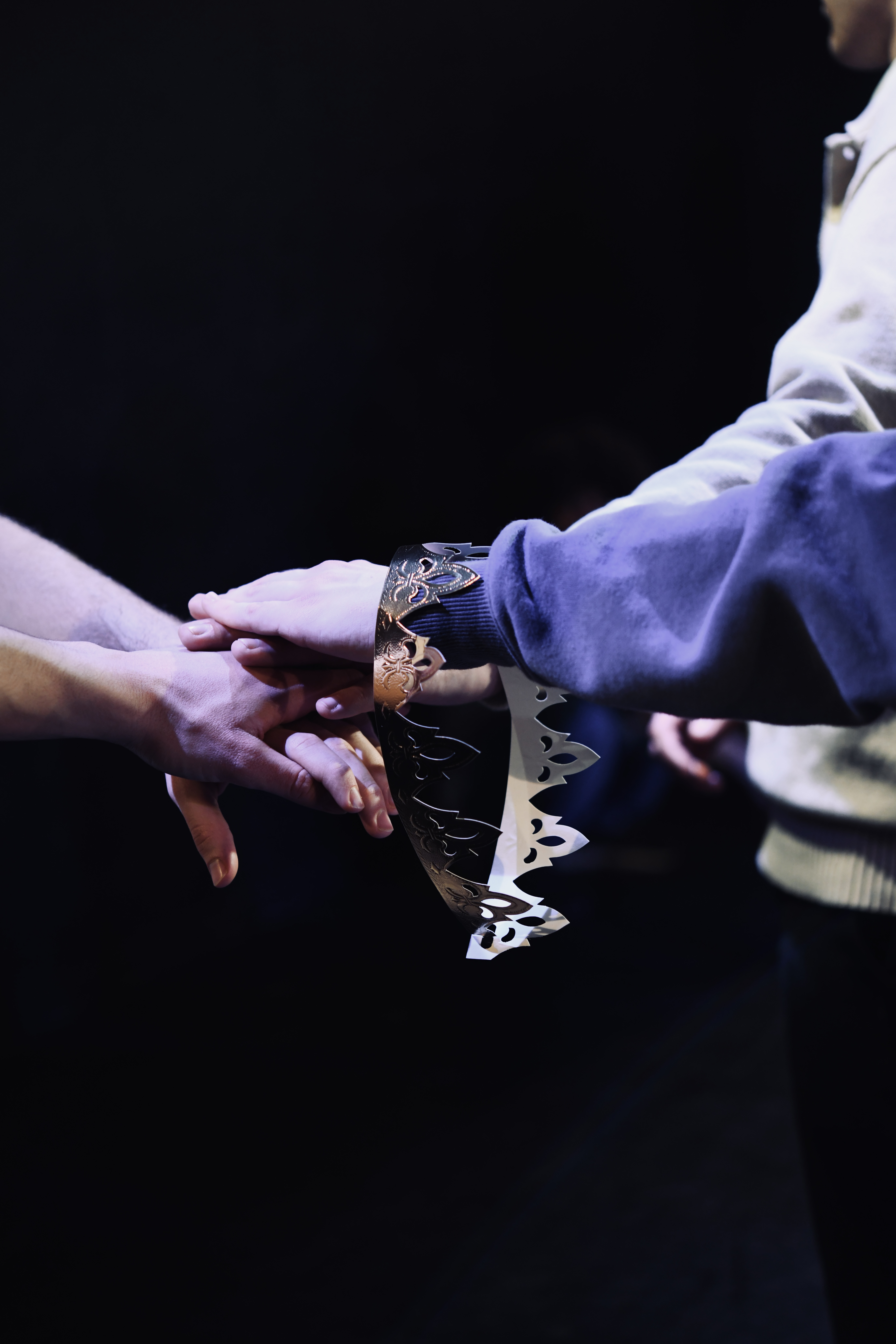
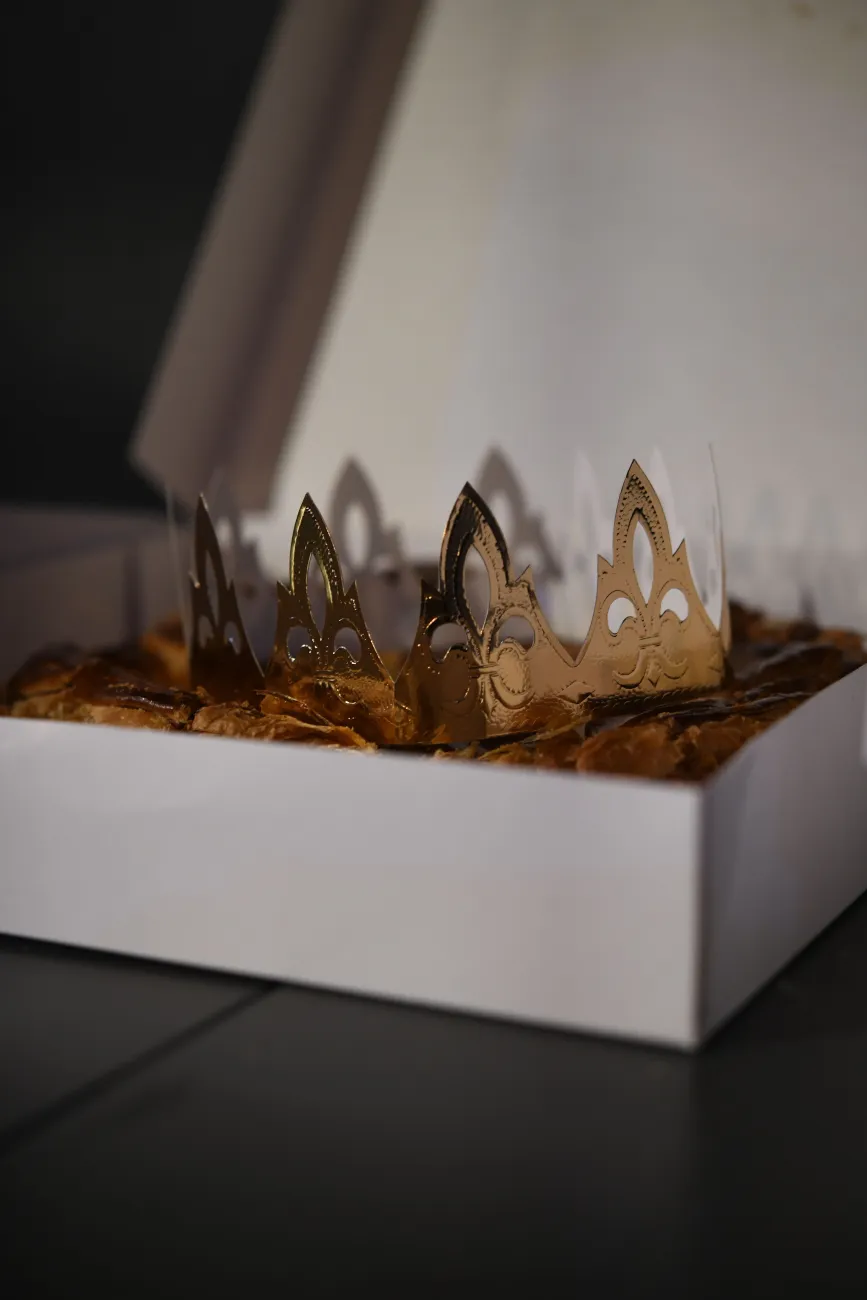
Today, the most common Galette des Rois in northern France is made of puff pastry filled with frangipane, an almond cream. One of the most important elements of the Galette des Rois is the fève, a small object hidden inside the cake. In the past, it was a simple bean, but today it is often a small porcelain figure. Whoever finds the fève becomes the king or queen for the day and wears a paper crown. The cake is usually shared with family, friends, or classmates, and the slices are often distributed randomly to ensure fairness.
There is even a museum entirely devoted to the fève, showcasing the extraordinary variety and history of these tiny objects. Its collection spans from the earliest dried beans used in ancient celebrations to ornate porcelain pieces and modern collectible models. Depending on the display and classification, the museum houses anywhere between ten thousand and one hundred thousand fèves. It has become a major destination for enthusiasts and collectors – known as fabophiles – as well as for anyone curious about the cultural heritage surrounding the Galette des Rois.
The Galette des Rois à Cours Florent
Beyond its history, the Galette des Rois also plays an important social role, especially in an international academic environment, such as in our Acting in English programme.
For Alex, a third-year student in the programme, this event reflects the cultural diversity of the department, as moments like this bring together students from different countries and backgrounds, giving them the chance to meet, talk, and learn from one another.
While the Galette des Rois is a French tradition, it becomes a shared experience where students can simply enjoy being together and exchange cultures, which is what makes the international department so valuable.
Ultimately, the Galette des Rois is more than just a traditional cake eaten in January. It is a way of bringing people together and creating connections through a shared tradition.
At Cours Florent, this event enables students to experience French culture while also fostering a sense of community. Through moments like this, traditions continue to evolve while remaining relevant in modern student life.